
 Virtual Appointment
Phase 1 Orthodontics Round Rock
Starting Early Can Help Your Child Smile Brighter

Phase 1 orthodontics is ideal for our younger patients with mixed dentition, or a combination of permanent and temporary teeth. This early intervention allows Dr. Asrar to help guide children’s smiles to develop in a way that reduces the need for more extensive orthodontic treatments in the future, ultimately saving you money, time, and effort down the road! Call our office today to learn more about Phase 1 orthodontics and whether your child could benefit.
Why Choose Big Smile Orthodontics for Phase 1 Orthodontics?
- In-Network with Most Major Dental Insurance Plans
- Top-Rated Orthodontic Office in Round Rock
- Comfortable & Precise Digital Impressions
Does My Child Need Phase 1 Orthodontics?
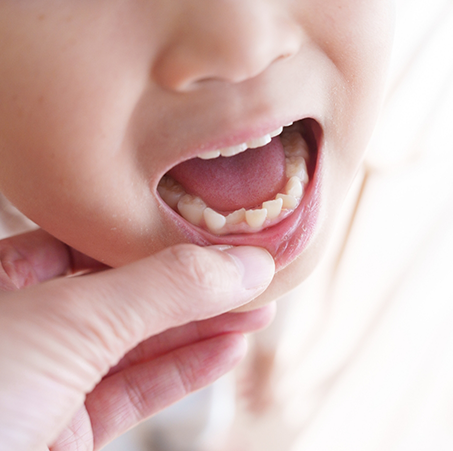
Phase 1 orthodontics in Round Rock is typically recommended for our young patients, usually between the ages of seven and 10. There are three main indications that your little one could benefit from this intervention:
- Bite Misalignment: If you notice that your child has either a crossbite, open bite, underbite, or overbite, it’s a good idea to have them examined and screened by an orthodontist. Dr. Asrar can help determine whether early intervention like Phase 1 orthodontics is necessary.
- Thumb-Sucking Past the Age of Four: While thumb-sucking is a completely natural soothing habit for babies to acquire, as soon as your child’s teeth are grown in, the constant suction can alter the alignment of their permanent teeth and bite. This can lead to crowding and bite problems that our team can address with Phase 1 orthodontic treatment.
-
Airway Problems: Sleep-breathing disorders can sometimes be a result of orthodontic issues like bite misalignment. If you notice that your child is a chronic, loud snorer or suffers from daytime fatigue, we may be able to help address these concerns before they become worse.
Benefits of Phase 1 Orthodontic Treatment
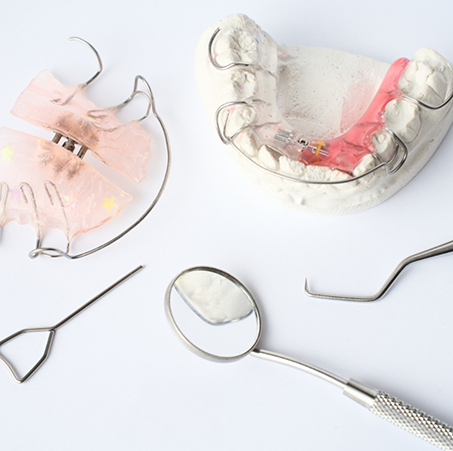
The advantages of starting treatment between the ages of seven to 10 years old are as follows:
- The opportunity to correct habits that could present developmental and dental problems later, such as a tongue thrust or thumb sucking
- An improved prognosis regarding how the child’s permanent teeth erupt
- Reduce the risk of protruding teeth getting injured
- Opportunity to guide jaw growth to accommodate teeth as they emerge
- Alleviate the potential for more invasive dental corrections in the future
- Increase confidence and self-esteem
What Happens After Phase 1 Orthodontics?

Once your child has finished their treatment, Dr. Asrar will allow them to get the most out of their appliance-free smile for a year or so before starting the next phase of their treatment. This will also allow them to transition from mixed dentition to primarily all permanent teeth. Phase 2 treatment will focus on correcting alignment issues with their permanent teeth and tends to be less extensive.
Phase 1 Orthodontics FAQs
When do Phase 1 orthodontics take place?
Also known as interceptive orthodontics, your child’s phase 1 orthodontics treatment can begin anywhere from ages six to nine years old, which is when they begin losing their baby teeth and their permanent smile begins to emerge.
While it may seem early, by beginning phase 1 orthodontics in Round Rock at this stage, Dr. Asrar can monitor development in their jaws and bite. Then, if a problem is detected it can be addressed while it’s still relatively easy to correct, saving them time and discomfort later on.
What issues can Phase 1 orthodontics address?
Phase 1 orthodontics in Round Rock are an excellent way to correct emerging jaw and tooth problems as they develop, eliminating the need for more complex treatment later.
Phase 1 orthodontics is ideal for addressing tooth crowding, large gaps between the teeth, protruding teeth, and even premature or late tooth exfoliation. They can also correct issues with the jaw, and even bite problems such as overbites, underbites, crossbites, and open bites, each of which could result in years of wearing braces and other appliances if treated in adulthood.
What appliances are used in Phase 1 orthodontics?
The good news about Phase 1 orthodontics in Round Rock is that because it is performed so early, it doesn’t typically involve complex appliances like orthodontic treatments that may be necessary later in life. In fact, by addressing these issues early, your child may never need to experience those more involved treatments at all!
Some common appliances used in phase 1 orthodontics include palate expanders, space maintainers, or even limited braces on certain teeth.
After their phase 1 orthodontics treatment is complete, your child will need to begin using a retainer to maintain their results. They may also benefit from a Herbst appliance, which is attached to the molars to adjust jaw imbalances and reinforce their bite.
Are Phase 1 orthodontics painful?
The great news is that your child’s phase 1 orthodontics appliance placement should never be painful. However, they may experience some soreness for a few days after the initial installation. Thankfully, their mouth should rebound quickly, and any discomfort should go away on its own within a few days. In the meantime, you can help them feel more comfortable by giving them OTC pain relievers as directed, applying cold compresses, and serving them a soft diet.
It is important to remember that while they may experience some minor discomfort at first, by correcting their orthodontic issues as early as possible, they will likely experience less discomfort later in life by preventing these problems from getting worse or needing more extensive intervention down the road!