
 Virtual Appointment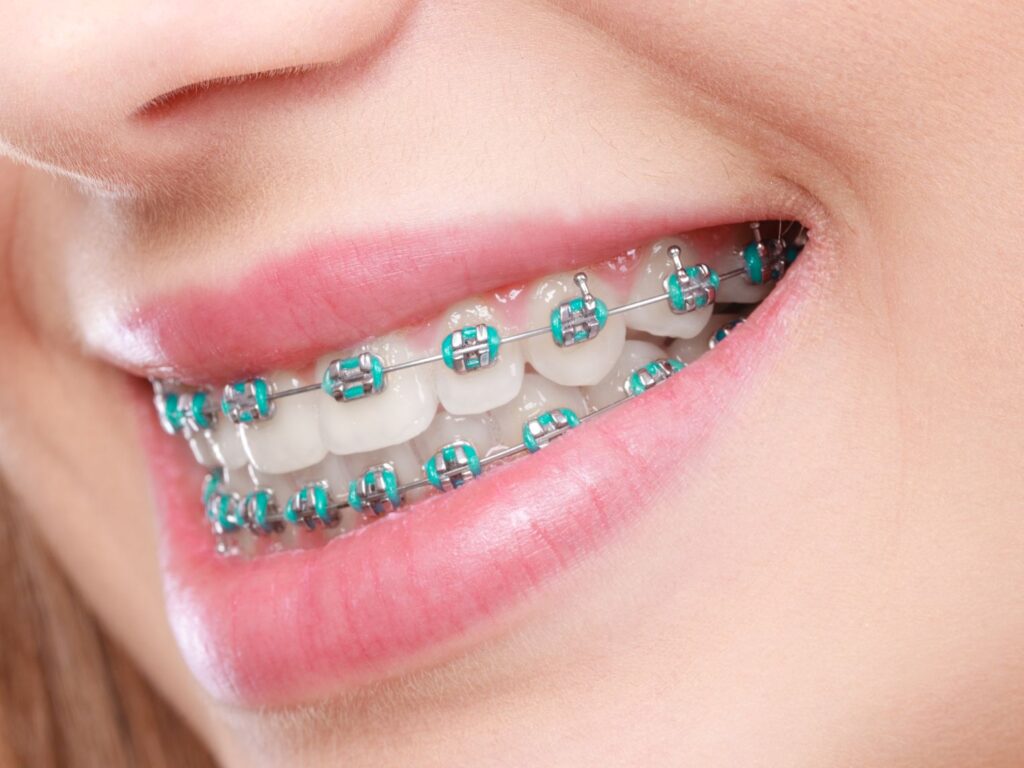
Many people think that their crooked, gapped, or overcrowded teeth are more of an aesthetic concern, but the truth is that these issues can also harm their dental health. For instance, it’s harder to clean all sides of teeth that aren’t in their ideal places, which increases the likelihood of developing cavities or gum disease.
Your orthodontist can correct your teeth or bite misalignment with traditional braces, but you might hesitate to proceed if you have heard falsehoods about this standard solution for straightening smiles. Continue reading to learn about 3 things you might have heard about braces you shouldn’t believe!
Rumor #1: They Will Set Off Metal Detectors
You’re not alone if you’re concerned that your orthodontic treatment might hinder your upcoming travel plans. One essential aspect of boarding a flight is successfully passing through security, which includes metal detectors, and some patients are afraid that their braces might trigger a response.
However, this orthodontic treatment usually utilizes lightweight, non-magnetic metals, such as titanium or certain stainless steel alloys that are unlikely to sound the alarm. Furthermore, TSA’s machines are often calibrated to flag larger volumes of metal, such as those found in keys, jewelry, and other items commonly carried in pockets or purses.
Rumor #2: They Rust In Your Mouth
Many metals corrode when exposed to moisture for too long, leading some folks to worry that the brackets and wires attached to their teeth will rust over the course of their orthodontic treatment.
But thankfully, the steel alloys or titanium that make up your dental gear are chosen in part because they are high-grade, corrosion-resistant materials that are strong enough to withstand the force of biting, chewing, and orthodontic adjustments, yet are lightweight enough that they don’t cause additional dental or bite misalignments.
Rumor #3: You Can’t Play Instruments with Them
Some musicians who play woodwinds, brass, or other instruments that require the use of their mouths worry that braces will prevent them from indulging in their creative passion. It’s true that the metal brackets and wires can cause discomfort initially, but many patients are able to continue practicing or playing by placing orthodontic wax over sharp edges to smooth the surface of their braces.
You might also need to spend some extra time revisiting the basics, such as forming the correct embrasure with your braces in place. But many musicians find they can continue playing their instruments throughout their orthodontic treatment.
It’s natural to wonder what daily life looks like with traditional braces, and if you have unanswered questions or don’t know what to expect, you can learn more by scheduling an appointment with your orthodontist!
Meet the Author
Dr. Saba Asrar has about 20 years of experience helping people of all ages improve their lives by straightening their smiles. She completed her Advanced Education in General Dentistry residency at the University of Rochester School of Medicine & Dentistry in New York. She then completed her specialization in Orthodontics and Dentofacial Orthopedics at the University of Nevada, Las Vegas, and today is one of only a few orthodontists in the country to serve on the Advisory Board of the Council of Innovative Orthodontics for 3M. She offers a variety of orthodontic services, including traditional braces, to address even the most severe misalignments. You can request an appointment on the website or by calling (512) 828-7900.